The Arctic Solitude: Autumn Inside Norway's Fjord Enclaves
Navigating the seasonal transition where sharp granite needles meet chilled marine depths.
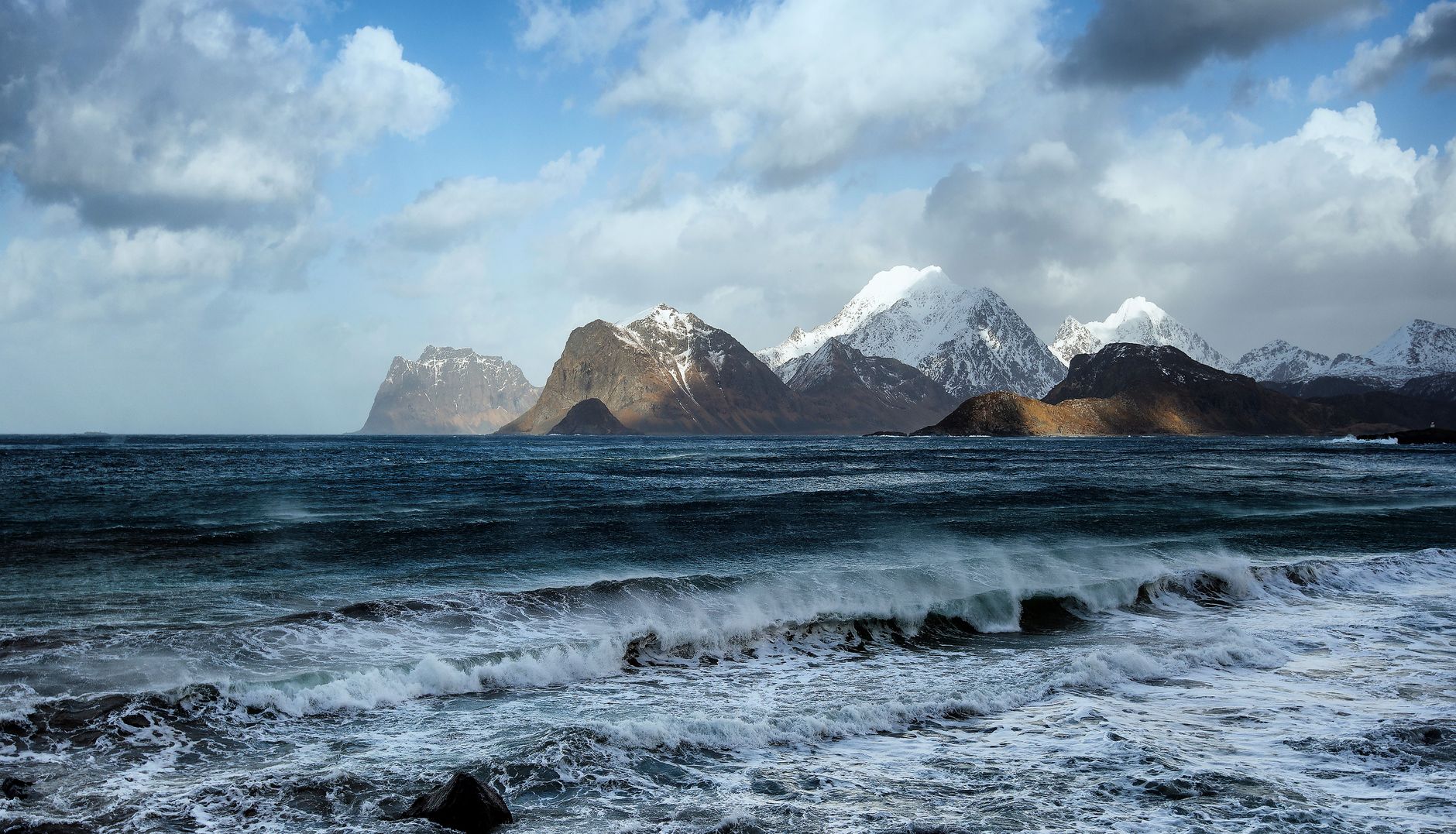
When October descends upon the Arctic archipelago, the tourists have vanished. What remains is an immense, echoing quietude. The granite mountains of Lofoten rise abruptly from churning green waters, their crests capped with the first dusting of winter rime.
The Geometry of the Rorbu
For centuries, the seasonal cod fisheries required temporary coastal dwellings known as rorbuer. Constructed from native pine timber and treated with oxblood-and-cod-liver oil pigment, these red cabins remain an architectural masterclass in environmental resilience. Perched on wooden stilts driven directly into granite tidal pools, they flex with the gale winds rather than resisting them.
"Solitude in the north is not an absence of sound, but an amplification of natural rhythm: the tide sucking on sea wrack, the creak of damp timber, the sudden breath of a minke whale offshore."
Traveling these shores during the off-season requires deliberate pacing. Ferries run with reduced frequency, and road passes are frequently swept by sudden snow squalls. Yet, this friction is precisely the antidote to the frictionless consumerism of conventional travel. Time elongates. One spends an entire afternoon studying the change of slate-grey cloud patterns across a single sound.
Preserving the Periphery
Local communities in Henningsvær and Reine face distinct pressures: balancing tourism revenue against infrastructure strain and escalating housing costs for young locals. By supporting small craft roasteries, family-owned smokehouses, and independent boatmen, mindful travelers can ensure that remote enclaves retain their authentic civic vitality.

Erik Lindqvist
Senior Nordic Correspondent, 111111