Salt, Starlight, and Wind: Crossing the Atacama Ridge
High altitude topography, mineral formations, and astronomical clarity in northern Chile.
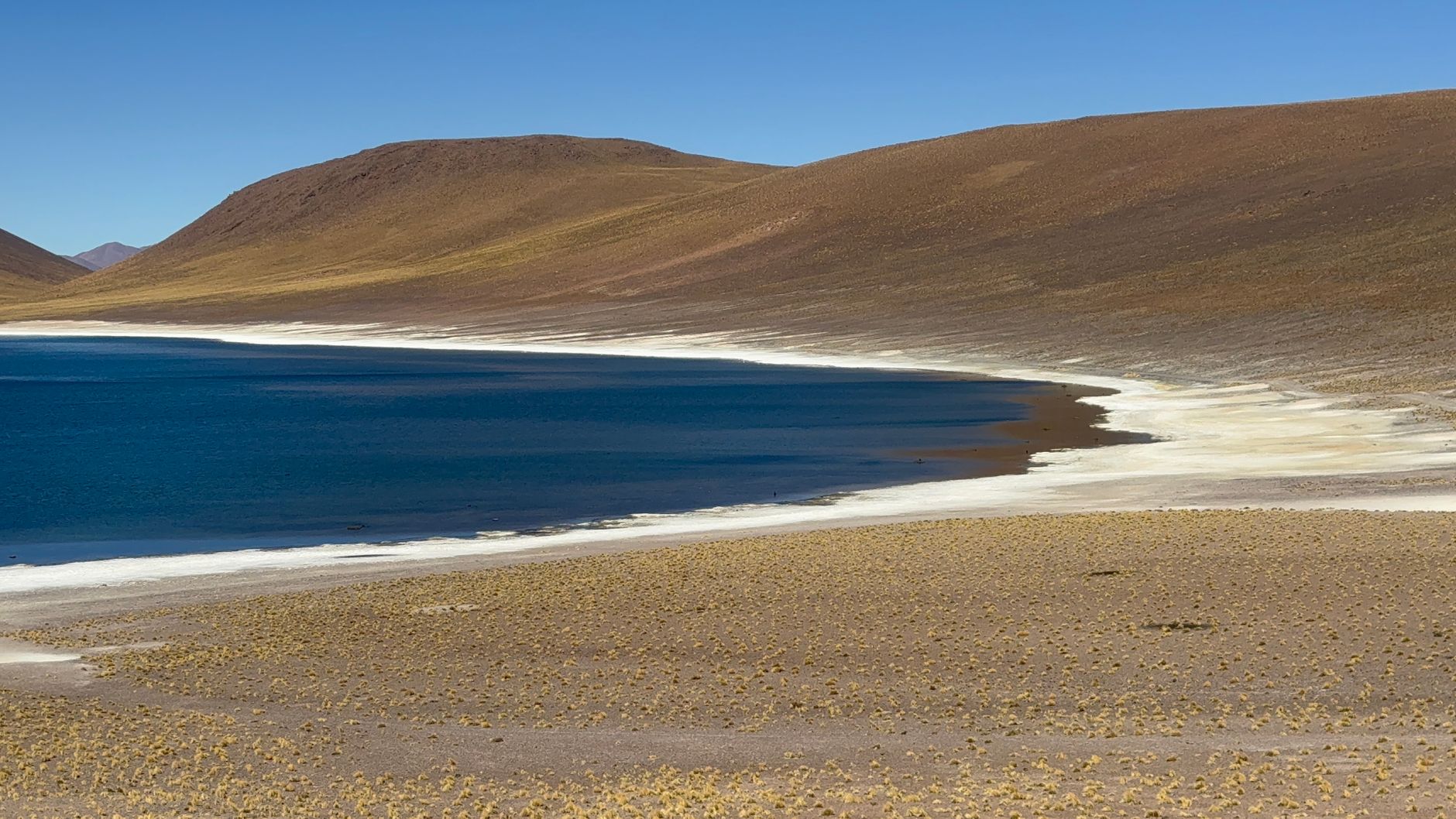
At 2,400 meters above sea level, moisture disappears from the breath almost instantaneously. The Atacama Desert is not simply barren; it is an otherworldly mineral canvas carved by millenia of intense solar radiation and high-altitude desert wind.
The Silence of the Salar
Walking across the Salar de Atacama, one hears an eerie, intermittent crackling. Under the heat of midday sun, the crystalline salt crust expands and fractures with microscopic precision. The landscape looks remarkably like an ancient, frozen white ocean flanked by the rust-red cones of Licancabur and Juriques volcanoes.
"Under the high Atacama sky, one is reminded that earth is an astronomical body suspended in vacuum. The atmosphere here is thin enough that you can almost feel the planet spin."
Nightfall brings a transformation of dramatic scale. With near-zero humidity and negligible light pollution, the Southern Hemisphere celestial sphere burns with razor sharpness. The Magellanic Clouds, the dark dust lanes of the Milky Way, and distant constellations cast faint shadows on the dry clay.
Responsible Expedition Conduct
High-altitude ecosystems are remarkably delicate. The microorganisms thriving in hypersaline lagoons and volcanic geysers are invaluable for planetary scientists studying extreme environments. Travelers visiting this fragile sanctuary must adhere strictly to established trail footprints and preserve water with deep humility.

Dr. Sebastian Cole
Geographical Fellow, 111111