Kyoto Unfolded: Silent Courtyards and Architectural Echoes
Reflections on timber joints, wet stone pathways, and the discipline of spatial silence.
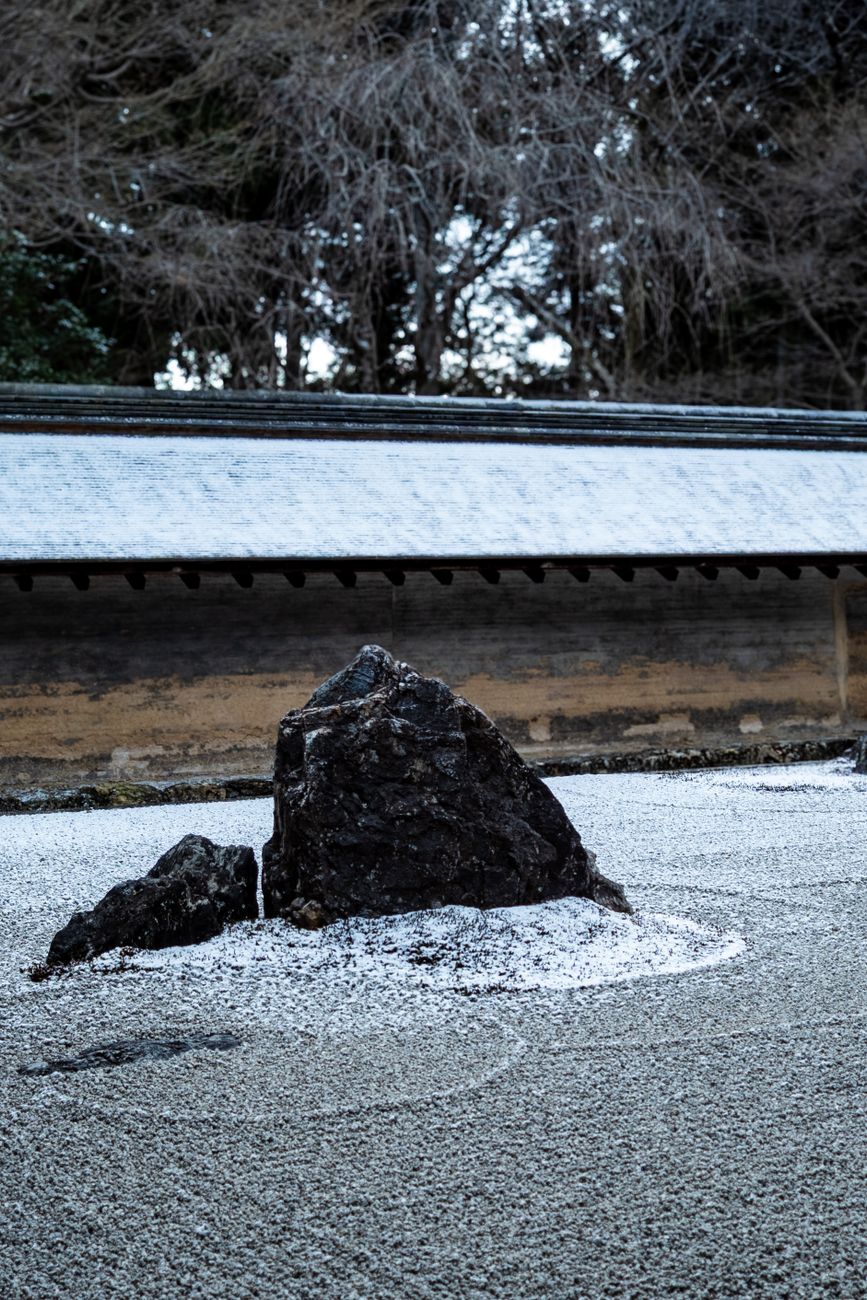
In the temple quarters of Daitoku-ji at six in the morning, the city of Kyoto exists only as a series of textural sounds: the stiff bristles of bamboo brooms scraping damp gravel, the drip of condensed mist from cedar eaves, and the hollow chime of a temple gong.
The Art of Wood and Shadow
Japanese architectural master builders (daiku) historically worked without a single iron nail. By cutting complex mortise and tenon joints into seasoned hinoki cypress, structures were engineered to absorb the shock of seismic tremors while allowing the timber to expand and contract across humid summers and crisp winters.
"Beauty resides not in the object itself, but in the patterns of shadows, the light and the darkness, that one object causes another to emit." — Jun'ichiro Tanizaki
Walking the corridors of traditional machiya townhouses reveals this deliberate choreography. Light is rarely direct; it filters through sliding shoji paper screens, illuminating the subtle weave of tatami rush flooring. In an age of high-luminance screens and rapid notifications, inhabiting these interiors provides profound cognitive restoration.
Mindful Wandering
To truly experience the city, one must leave the primary tourist arteries. Venture into the northern hills of Takao or the quiet craft workshops of Nishijin where silk weavers still calibrate handlooms by ear. The essence of Kyoto cannot be rushed; it reveals itself only to those patient enough to listen to its spaces.

Mayumi Tanaka
Architectural Historian, 111111